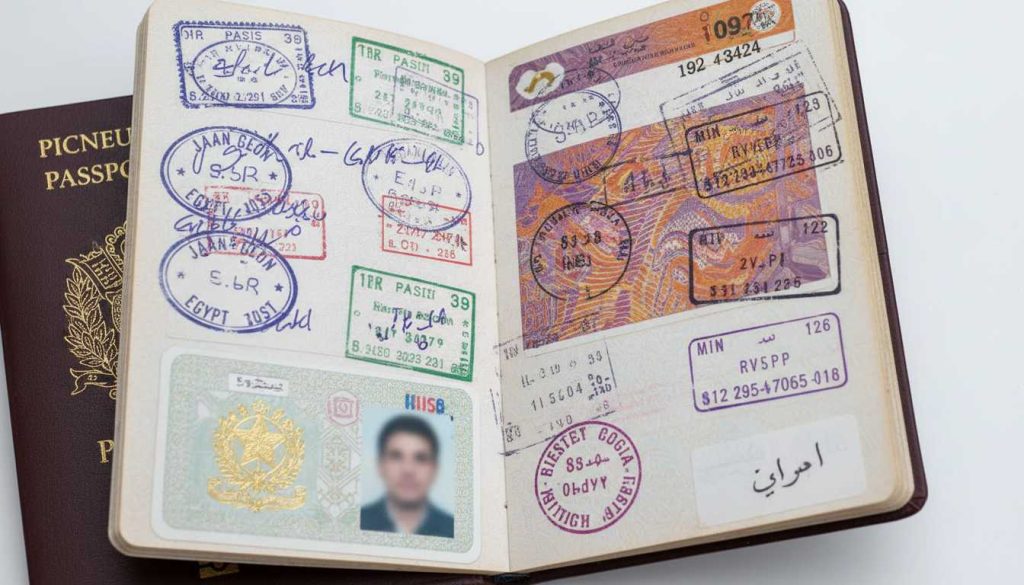
Passport Endorsement Translation: How to Handle Observations, Stamp Notes and Visa Pages
Most passport pages are straightforward. The difficulty usually starts when an application depends on the parts many people overlook: observations, endorsements, visa pages, entry and exit stamps, extension notes, or handwritten remarks added by an issuing authority. That is where passport endorsement translation matters.
A passport can look partly bilingual and still contain critical non-English content that affects identity, immigration history, validity, travel permissions, or official remarks. If that content is being submitted to an authority, it needs to be translated clearly, completely, and in a way that does not change meaning.
At Translation Services 24, we see this issue most often when applicants are preparing immigration files, right to work checks, legal bundles, university enrolment packs, and cross-border compliance documents. In many of these cases, the problem is not the main photo page. It is the extra note, the page reference, the visa remark, or the observation that explains the document properly.
If your passport contains more than just standard identity details, the safest approach is to prepare a certified pack that covers the relevant pages, the related notes, and the certification wording needed for formal use.
Why Passport Observations and Endorsements Cause Problems
A passport translation is easy to underestimate because many passports already show some information in more than one language. That creates a false sense of completeness.
What often gets missed is that official meaning may sit elsewhere, such as:
- an observations page
- a printed endorsement
- a handwritten immigration note
- a visa vignette with conditions
- an extension or amendment stamp
- an entry or exit stamp being used as evidence
- a note about names, status, or validity
When these items are ignored, the receiving authority is left to interpret fragments. That is where delays begin.
A strong passport translation does not just convert visible words. It shows an officer exactly which page, note, stamp, or remark they are supposed to rely on.
What Counts as a Passport Endorsement Translation
In practice, people use several terms for closely related content. Keeping them separate helps avoid confusion.
Passport Endorsement
A passport endorsement is usually an official printed or stamped remark that explains how the passport may be used, why it was issued in a particular way, or what official condition applies to it.
Passport Observation
A passport observation is an official note added to the passport or printed on a designated observations page. It may relate to identity, status, validity, diplomatic or official use, or another formal remark.
Stamp Note
A stamp note is the wording inside or beside a stamp, often added during immigration, renewal, extension, or official processing.
Visa Page Content
Visa pages may contain visa labels, issue data, annotations, validity notes, travel conditions, entry records, and handwritten officer remarks. These categories overlap in real cases. The important point is not the label. It is whether the non-English content affects the reason you are submitting the passport.
The Simple Rule: Translate What Matters to the Application
A good passport endorsement translation is not always a full cover-to-cover passport translation. It is a relevant, complete, decision-ready translation pack.
Use this rule:
Translate the Page If It Affects One of These Five Points
- Identity: Names, aliases, spelling variations, place of birth, nationality, document number, or linked notes.
- Validity: Expiry restrictions, shortened validity, renewal remarks, replacement notes, or extension wording.
- Status: Immigration references, residence remarks, official status notes, diplomatic notes, or re-entry wording.
- Travel History Being Relied On: Entry and exit stamps, visas, visa remarks, border annotations, or stay extensions used as evidence.
- Official Explanation: Observations or endorsements that explain something not obvious from the main page.
If a page does not affect any of those points, it usually does not belong in the submitted pack.
Which Passport Pages Should Usually Be Translated
The right scope depends on purpose, but this framework works well in most cases.
Usually Include
- the main identity page if relevant text is not fully clear in English
- the observations or endorsements page
- any visa page you are actually relying on
- any page with non-English stamps or handwritten authority notes
- any page that explains a discrepancy in names, dates, status, or validity
Usually Not Necessary
- blank pages
- decorative or security pages with no meaningful text
- visa pages with no relevance to the application
- duplicate content that is already clearly shown elsewhere and is not being relied on
A Better Approach: Build a Certified Passport Pack
This is where many ranking pages stay too general. They talk about “passport translation” as if every case needs the same treatment. In reality, the cleanest approach is to build a targeted certified pack.
A good certified pack normally includes:
- a clear scan of each relevant passport page
- a full translation of all meaningful non-English text on those pages
- page labels matching the original sequence
- translated descriptions of stamps, endorsements, and handwritten notes where legible
- translator notes where part of a stamp is unclear, cut off, or visually incomplete
- a certification statement for official submission
- date, signature, and translator or agency contact details
That is usually far more useful than translating random pages just to make the file thicker.
Quick Comparison
| Passport Content | Should It Be Translated? | Why It Matters |
|---|---|---|
| Identity page | Yes, if key text is not fully clear in English | Confirms core identity details |
| Observations page | Usually yes | Often carries official explanatory wording |
| Visa vignette | Yes, if submitted or relied on | May show validity, type, or conditions |
| Entry/exit stamps | Yes, if they support timeline evidence | Helps prove travel dates or movements |
| Handwritten authority note | Yes | Can materially change interpretation |
| Blank page | No | Adds no evidential value |
How to Translate Observations and Endorsements Without Changing Meaning
This is the part that separates a reliable official translation from a risky one.
Keep the Wording Formal and Literal
Observations and endorsements should be translated closely. They are not marketing copy and they are not open to interpretation. The goal is accuracy, not polish.
Preserve the Structure
If the original note is in block capitals, short lines, or fixed wording, the translation should reflect that style as closely as practical. This helps the receiving officer match the translation against the original page.
Describe Stamps Clearly
Where a stamp contains both text and a date, both should be translated or reproduced clearly. If the stamp includes a location, code, or authority name, that should also be included.
Do Not Guess Missing Text
If part of a stamp is cut off or unreadable, the translation should say so. Guesswork creates more risk than a transparent note.
Mark Handwritten Text Carefully
Handwritten notes often cause the most confusion. They should be translated only where legible, with a clear note if a word is uncertain or partially obscured.
The Four Most Common Mistakes in Passport Endorsement Translation
1. Translating Only the Main Photo Page
This is the most common mistake. The passport looks simple, so the observation page or visa note gets ignored.
2. Treating Stamps as Decoration
Stamps often hold the exact date, location, extension, or authority reference the receiving body needs.
3. Mixing Summary with Translation
A summary such as “entry stamp” is not the same as translating the wording inside the stamp.
4. Using an Incomplete Certification
Even a good translation can fail if the certification wording, date, signature, or contact details are missing.
What a Receiving Authority Usually Wants to See
In most official settings, the question is not whether your passport looks genuine. It is whether the non-English content can be read and relied on without doubt.
That usually means the translation should be:
- complete for the pages submitted
- accurate to the original wording
- easy to cross-check against the page image
- certified for official use
- free from interpretation or omission
If your passport contains observations, name notes, visa remarks, or extension stamps, a partial or loosely formatted translation can create avoidable questions.
Case-Style Insight: When the “Extra Page” Is the Whole Case
A common scenario looks like this: A client submits a passport for an immigration or legal process. The main identity page is readable. At first glance, that seems enough. But another page contains a non-English observation tied to status, or a visa page includes a handwritten extension note. Without that page translated, the file looks incomplete.
The better solution is not to order a full passport translation automatically. It is to identify the pages that carry legal or procedural meaning and certify those together as one coherent pack. That keeps the submission tighter, clearer, and easier for the caseworker to follow.
Certified, Notarised, or Apostilled?
This depends on who will receive the translation.
Certified Translation
This is the standard requirement for many UK and international official uses. It is the right starting point for most passport endorsement translation requests.
Notarised Translation
This may be needed where the receiving authority specifically asks for a higher level of formal authentication.
Apostilled Translation
This is usually relevant when documents are going abroad and the receiving body asks for legalisation.
The safest rule is simple: match the certification level to the receiving authority, not to assumptions. If you are unsure, send the request wording or checklist along with the passport scan. That makes it easier to scope the pack correctly from the start.
How to Prepare Your Passport for Translation
Before you order, make sure you send:
- a flat, high-resolution scan or sharp photo
- all pages that contain relevant non-English content
- the page with the observation or endorsement
- the visa or stamp pages you want the authority to rely on
- any instruction from the authority asking what must be included
- a note explaining the purpose, such as visa application, right to work, court filing, university, or embassy use
A weak image causes delays. A complete scan speeds everything up.
When Speed Matters, Scope Matters Even More
Urgent passport cases often go wrong for one reason: the wrong pages are sent first. If the deadline is tight, do not start by asking for “passport translation” in the abstract. Start by sending the actual passport pages and saying what the authority needs the passport to prove.
That allows the translator to decide whether you need:
- the main page only
- the main page plus observations page
- a targeted visa and stamp pack
- a broader certified set for a more complex case
A narrower, correct pack is often faster and safer than a rushed full translation.
Why Clients Ask TS24 for Passport Endorsement Translation
Translation Services 24 is already trusted for certified passport translation services, certified translation services, notarised translation services, and urgent translation services across a wide range of official document types.
For passport-related submissions, clients usually want four things:
- clear advice on which pages to include
- certification that matches the intended use
- formatting that stays close to the original
- fast turnaround without sacrificing accuracy
Trust Signals That Matter in This Topic
- ATC-accredited company
- CIOL and ITI-qualified translators
- 15+ years of experience
- 200+ languages covered
- 1,000+ positive reviews
- passport translations typically starting from £30 + VAT
- standard passport turnaround often within 24 hours, with urgent options available
If your passport contains observations, endorsements, visa notes, or stamp wording that could affect how a caseworker reads your file, send the relevant pages first and let us scope the right pack properly. Upload your file today and get a clear quote before you commit.
Related Documents That Are Often Translated Together
Passport cases often sit inside a wider application pack. That may include:
- birth certificate translation
- marriage certificate translation
- driver’s licence translation
- bank statement or financial document translation
- criminal record translation
- supporting legal document translation
Where the passport is only one part of the evidence, consistency across names, dates, document numbers, and travel history becomes even more important.
Final Takeaway
Passport endorsement translation is rarely about “translating a passport” in the broad sense. It is about translating the pages that carry official meaning. That usually includes the observations page, any relevant visa pages, the stamp notes or handwritten remarks being relied on, and the certification wording that makes the translation usable for formal submission.
If you want the safest route, do not guess which page matters. Send the relevant passport pages, explain the purpose, and have the translation prepared as a clean certified pack that an officer can review quickly. Need it handled properly the first time? Upload your passport scan and let TS24 prepare the exact certified pack your application needs.
FAQs
Do I need passport endorsement translation if my passport already has English on the main page?
Not always, but the main page is not the only page that matters. If your passport includes non-English observations, visa notes, extension stamps, or handwritten authority remarks, those pages may still need translation even when the identity page appears bilingual.
What is the difference between observations translation and passport endorsement translation?
In practice, the terms are often used interchangeably. Observations usually refer to official notes printed or added to a passport, while endorsements often refer to official printed or stamped wording about use, status, or conditions. For submission purposes, both should be translated accurately if they are relevant.
Should visa pages be included in a passport endorsement translation?
Yes, if the visa page helps prove status, travel history, entry date, validity, or another point the receiving authority is reviewing. If the visa page is not relevant to the application, it may not need to be translated.
Can I submit only the stamp notes instead of the full page?
That is usually not the best approach. A translation is stronger when the full relevant page is included, because it lets the authority match the translated wording to the original context, placement, and date.
What should a certified passport pack include?
A strong certified pack should include the relevant scanned passport pages, a full translation of the meaningful non-English content, page references, certification wording, the date, signature, and translator or agency contact details.
Do old passports or cancelled passports ever need endorsement translation?
Yes. If an old or cancelled passport contains the visa, travel note, endorsement, or observation being relied on in your current application, it may still need to be translated as supporting evidence.